How to Go Fly Fishing in Japan
 Ty Hasegawa
For many anglers, Japan is the country of fishing. It makes me happy to hear that many anglers all around the world want to go fishing in Japan. Bass fishing can be one target activities for sure. But you cannot miss that Japan is also rich in trout related species. These trouts are wonderful destinations for fly fishermans in Japan.
Imagine.
You are standing on the river of the few yard width, on the peaceful autumn day. Maple leaves are turning red along the river. It is not an isolated wilderness, but there are leed roofed wooden houses of classical Japanese farmers. Near your feet, there are stones of football size half wet. Ones in the water makes the flowing water tunbles and making a wonderful small patch to present your dry caddis fly...
Fly fishing in Japan for the first time can be an exceptionally rewarding experience. Although it differs in important ways from fly fishing in other countries — particularly regarding regulations, access, species, and cultural etiquette — once the essential principles are understood, anglers often find the experience deeply memorable and enjoyable.
Below is a structured guide to help you prepare for your first trip.
1. Understanding Fly Fishing in Japan
Japan offers a variety of fly fishing environments rather than a single generic “trout experience.” These environments can be broadly categorized as follows:
Mountain Trout Fishing
This style represents the closest parallel to Western river fly fishing, with clear streams and wild fish. There are a lot of similarities but in general Japanese streams are in steeper. There are are more places with drops and falls, that are closer to your "mountain" rather than slow flowing "stream" fishing.
The most popular target fish are as below.
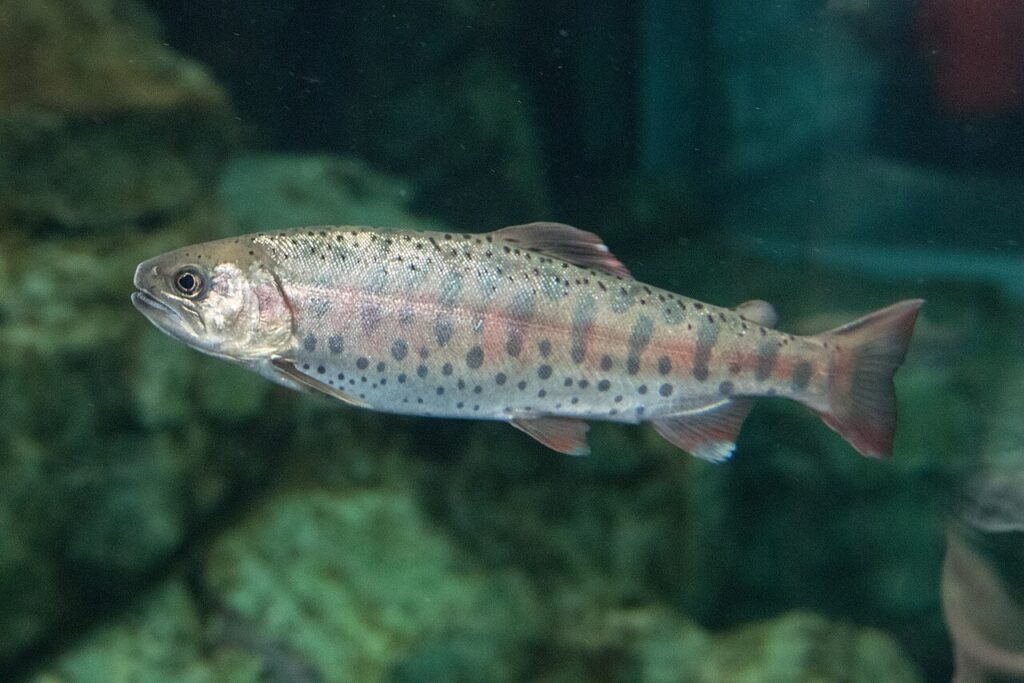
Yamame (Japanese cherry trout, Oncorhynchus masou, mostly landlocked one)
Iwana (Japanese white spotted char, Salvelinus leucomaenis) and related subspieces
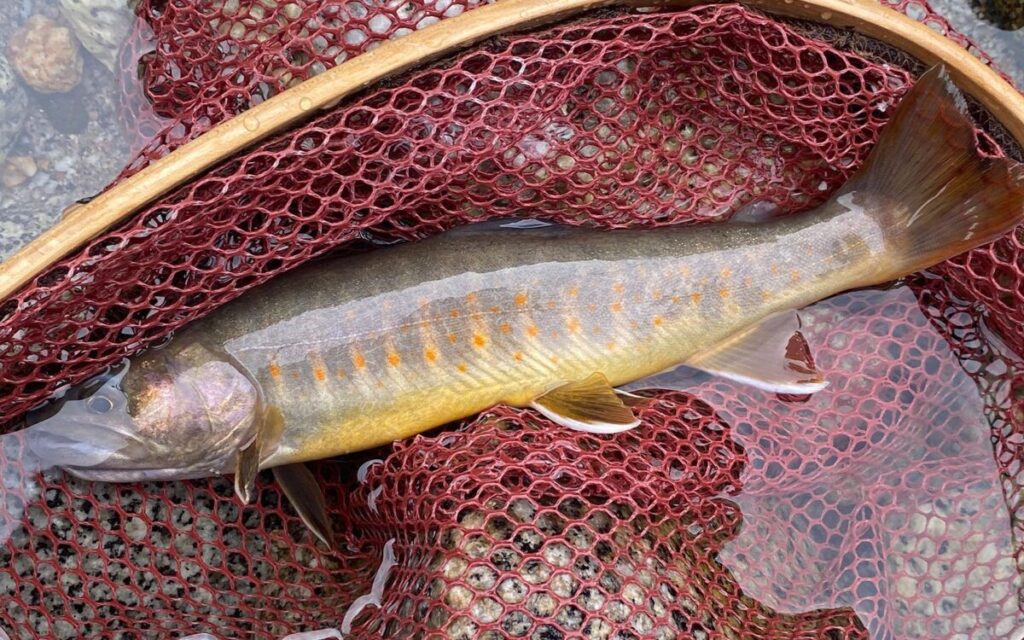
The regions where there are rivers which hold these fish; Nagano, Gifu, Tochigi (Nikko), Tohoku region and Hokkaido
Managed Fly-Fishing Areas
Japan has well-maintained stocked fly fishing parks that support anglers of all levels. These places are often fisheries for both lure and fly fisherman, while there are some places for fly fishing only. There are such fisheries both with using the flowing natural river and with still water lakes/ponds.
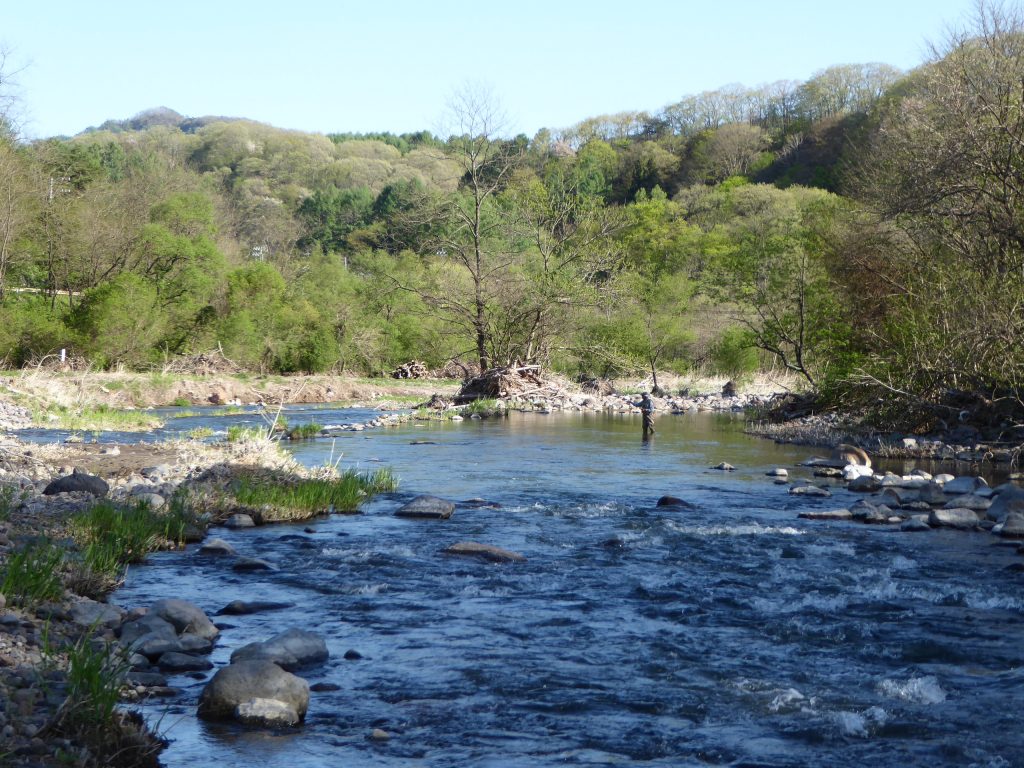
Typical features:
- Target fish; Rainbow trout, cherry trout and other trout species
- It is easy to access and carefree about licenses or tickets
- Occasional gear rental options
These areas are ideal for first-time visitors seeking a structured experience.
There are many such fisheries around big cities. If you drive outside from the city, two hour drive brings you nice fishing areas with decent natural environment around.
Google map showing the fisheries near Tokyo: https://maps.app.goo.gl/2uDsj95LRcm6cDK98
Near Osaka: https://maps.app.goo.gl/aHdmizArdQ9xHAfN8
Saltwater Fly Fishing
Though saltwater fly fishing is not very popular in Japan, it is possible in Japan with opportunities to target species such as:
- Suzuki (Japanese sea bass, Lateolabrax japonicus)
- Kurodai (Black sea bream, Acanthopagrus schlegelii)
- Trevally (Giant Trevally, Caranx ignobilis)
Sea bass and Black sea bream are very popular target fish around big cities such as Tokyo and Osaka. There are many charter boats for these fish. While most of their clients are lure fishing, most captains can guide you with fly fishing.
Trevally are growing large only in the limited regions (western or south western islands in Japan.) However, in the pacific coast area from Kanto region to the west, there are small baby GTs, that are nice targets to consider.
For coastal fish guides (near Osaka): https://ffcawake.com/
Near Tokyo area: https://www.seahorse-f.com/
2. Recommended Regions for First-Time Visitors
If you are visiting Japan primarily to fly fish for the first time, the following regions are among the most accessible and guide-supported:
Nikko
2 to 3 hours travel from Tokyo brings you to Nikko area. This area is very close to mountains over 2000 m above sea level. There are plenty of productive trout rivers. Since it is a famous touristic destination, for domestic visitors as well as foreigh visitors, there are many established guiding services available.
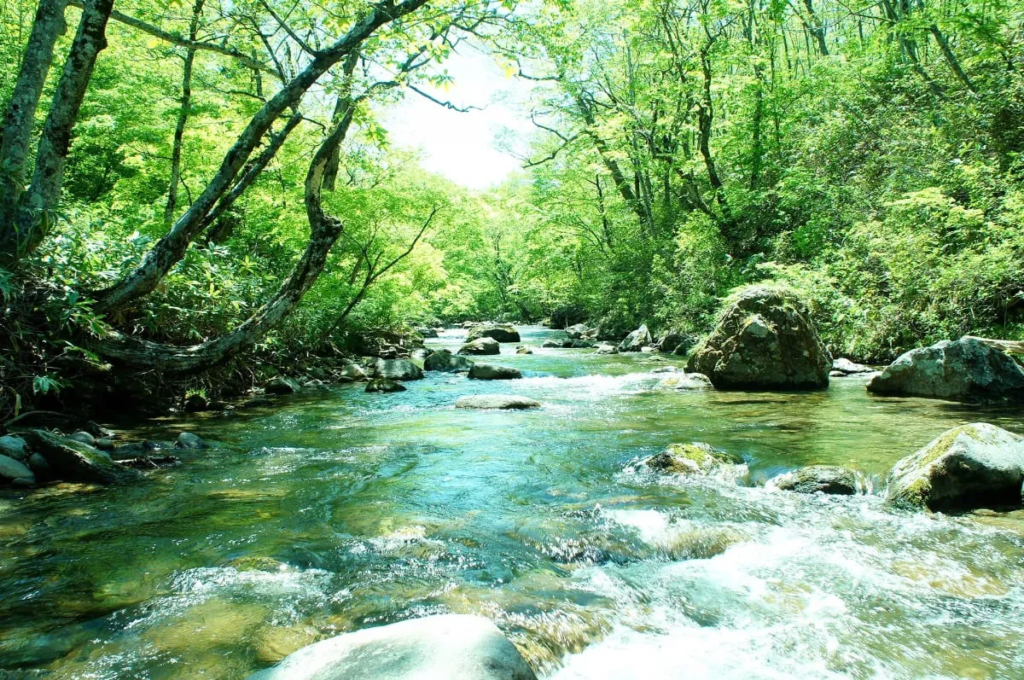
It is notable that there are many historical or cultural heritage in the region. It makes one of the perfect destination for your fishing as well as non-fishing travel companion of yours.
Along the way from Tokyo to Nikko, there are some high quality artificial trout fishing parks. These are popular fishing place for Tokyoites.
Tourism overview for the Nikko area:
https://www.japan.travel/en/destinations/kanto/tochigi/nikko/
Nagano and Japanese Alps
Nagano offers classic mountain river fishing and is known for its scenic landscapes and onsen towns. Nagano is surrounded by mountains, one on the west side is called Japanese Alps, or so called the roof of Japan. These mountain range holds summits over 2500 m above sea level.
Among the rivers in Nagano, popular ones are Chikuma-gawa river and Kuma-gawa river.
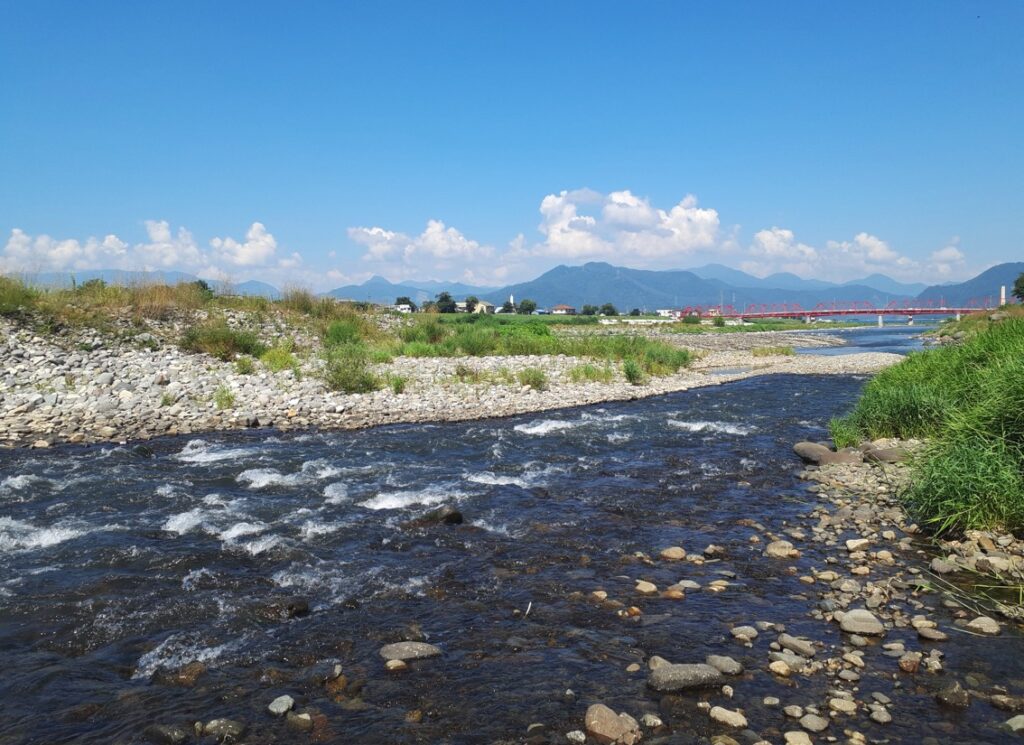
Nagano tourism information:
https://www.japan.travel/en/destinations/chubu/nagano/
Hokkaido
Hokkaido is prized for its larger river systems, abundant wild fish, and lower angler pressure. It is particularly popular in summer. What is worth mentioning is the target species. Hokkaido island is different from Honshu mainland, for its climate. It lets some species, Honshu does not have, live there.
The trophy is Ito (Japanese Huchen or Sakhalin taimen, Parahucho perryi.) Oshorokoma (Asian Dolly Varden, Salvelinus curilus,) and Amemasu (Sea-run form of white spotted char, Salvelinus leucomaenis leucomaenis)
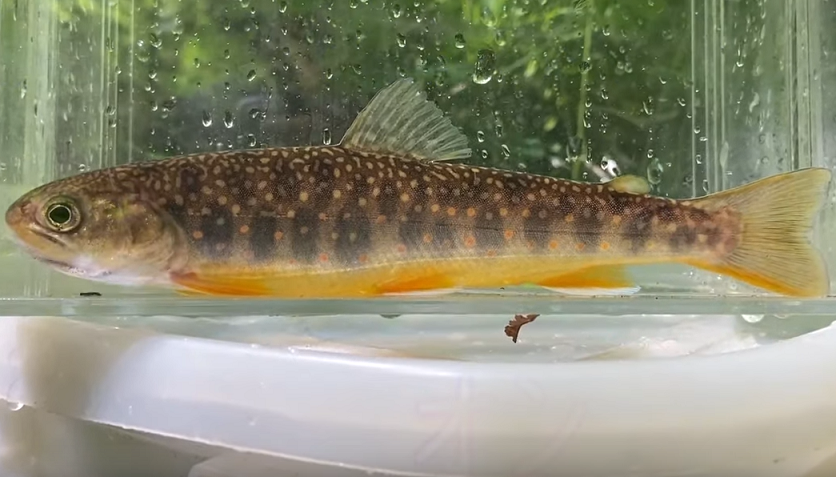
Being geographically different from other parts of Japan, you can enjoy the fishing in far east wetland style style, searching for Hucho.
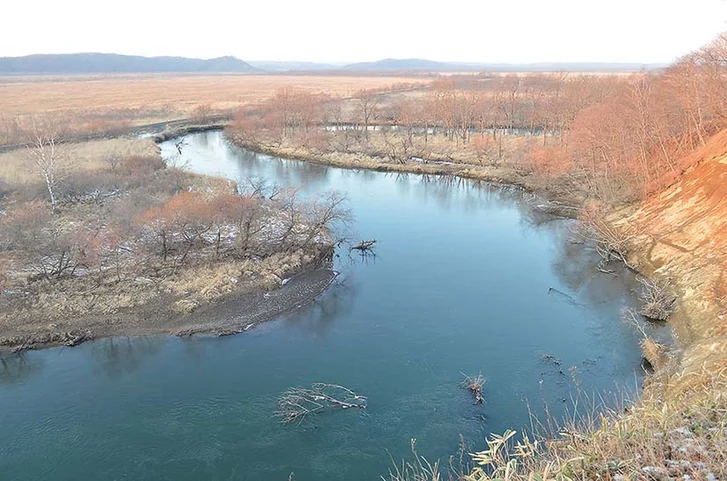
Hokkaido tourism portal:
https://www.japan.travel/en/destinations/hokkaido/
Simplified Options Near Tokyo
For travelers with limited time, managed fly fishing parks near Tokyo can provide a productive first day without extensive travel.
One of the recommendation is this place.
Yozawa Fly Fishing Area (English website)
Location in Google map is here.
This is fly-fishing-only fishing area, using the natural river.
The train and bus ride brings you to this place, taking about 2 hours from Tokyo central. Car ride from Tokyo
3. Licenses and Regulations
In Japan, fishing rights on most rivers and freshwater systems are managed by local cooperatives (“fishing cooperatives” or 漁協 / gyokyo). Unlike many public water systems in the U.S. and other countries, access is controlled and regulated.
Anglers are generally required to purchase a:
- Daily fishing permit (遊漁券 / yūgyoken)
Permits can typically be acquired at:
- Convenience stores (e.g., 7-Eleven, Lawson)
- Local tackle shops
- Online if available for the region
Typical cost: ¥1,000–¥3,000 per day.
Fishing without a valid permit is prohibited and may result in fines. For some waters, as there are not many places to sell permits, controller personnel checks water to collect the cost at the spot with additional on-the-spot extra fee (mostly additional JPY1,000.)
4. Access Considerations
In the United States or in most of European countries, many river or lake access points are informal or public. In Japan, as the water is controlled by authorities, the land on these waters are often public, or in other words, owned by governemtal authority. For this reason, the access to the water is relatively easier than other countries. However:
- Paths or ways to reach to the public part on the water often traverse private land or farmland
- Access points may be limited and clearly marked
- Local etiquette and adherence to regulations are strictly observed
For these reasons, many visitors find that hiring a guide simplifies the experience and ensures compliant, respectful access. Or you can get detailed information about the rivers or lakes, including the ways you can get to the bank. Such information is available from local fishing shops.
5. The Value of a Guide
Especially if you want to go to natural rivers or lakes, for a first-time visitor from abroad, then engaging a professional guide is often highly advisable. Guides can assist with:
- Securing appropriate permits
- Handling language and logistical barriers
- Identifying legal and productive fishing spots
- Recommending fly selection and presentation techniques
Most guides include:
- Rod, reel, and wader rental
- Fly selection and instruction
- Transportation from local towns
Example guide services with English support:
- Trout & King (Tokyo-based guide):
https://www.troutandking.com/eng/ - Regional fishing experiences (Asoview listings):
https://www.asoview.com/
Though the fishing guide is the best idea, you can try to go by yourself. To do it, you must get a guidance from the specialized fly fishing shops.
6. Fly Selection for Japan
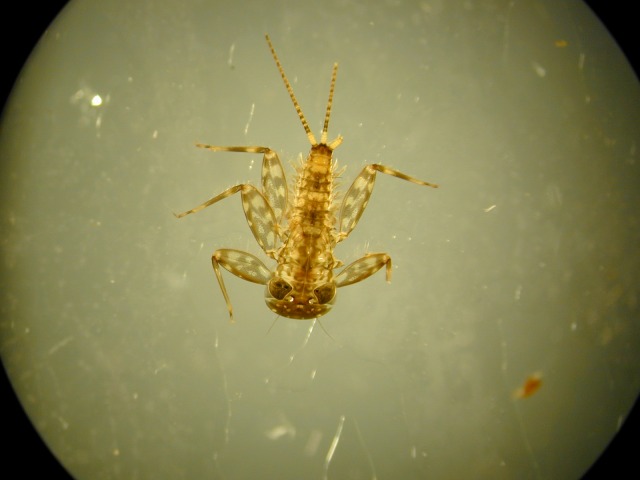
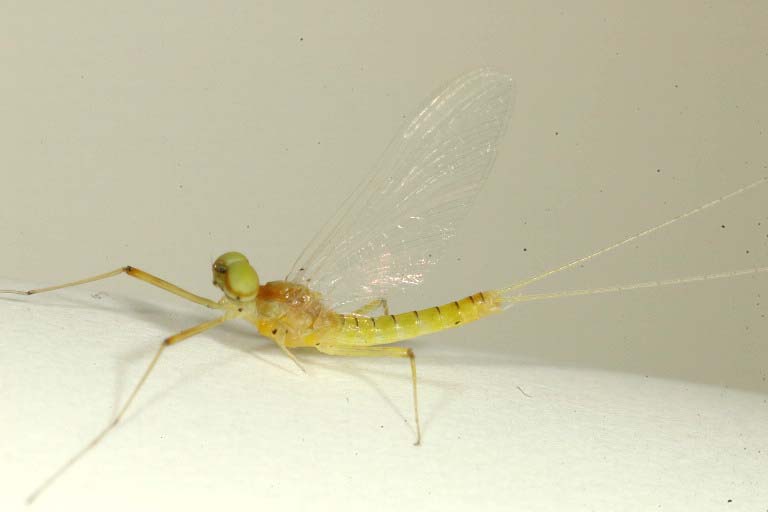
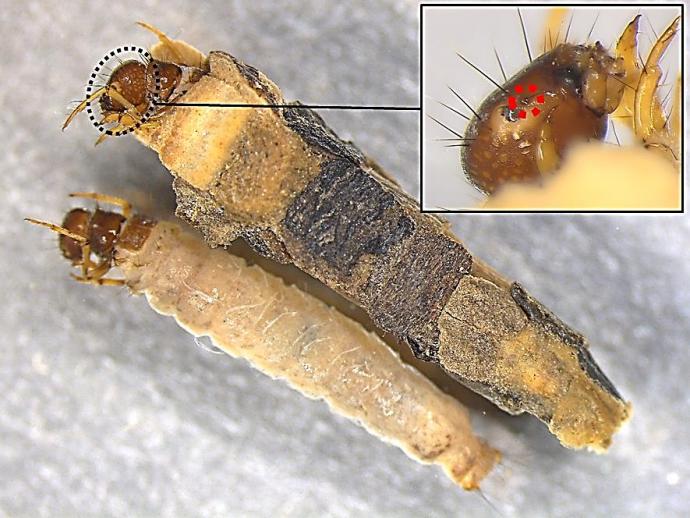
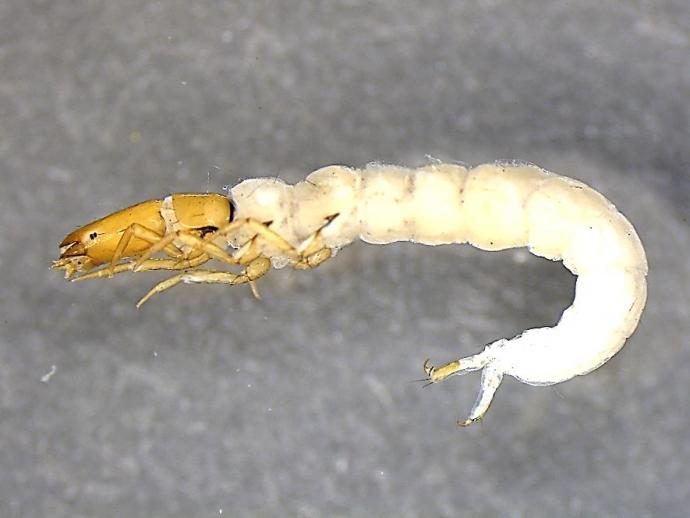
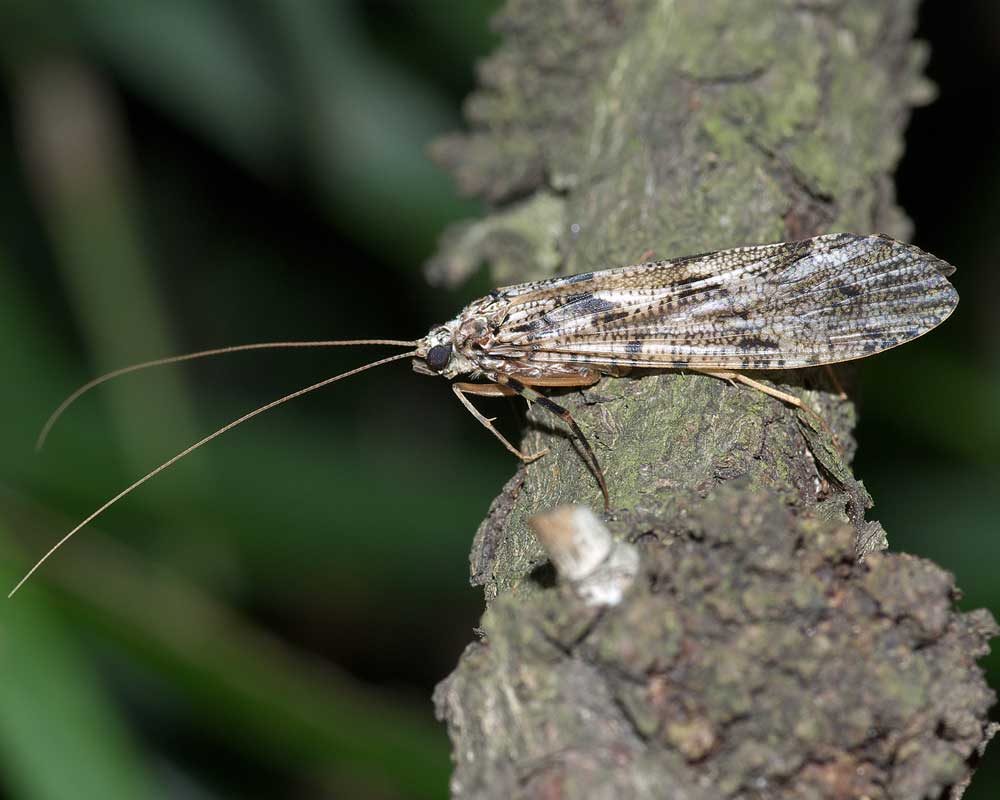
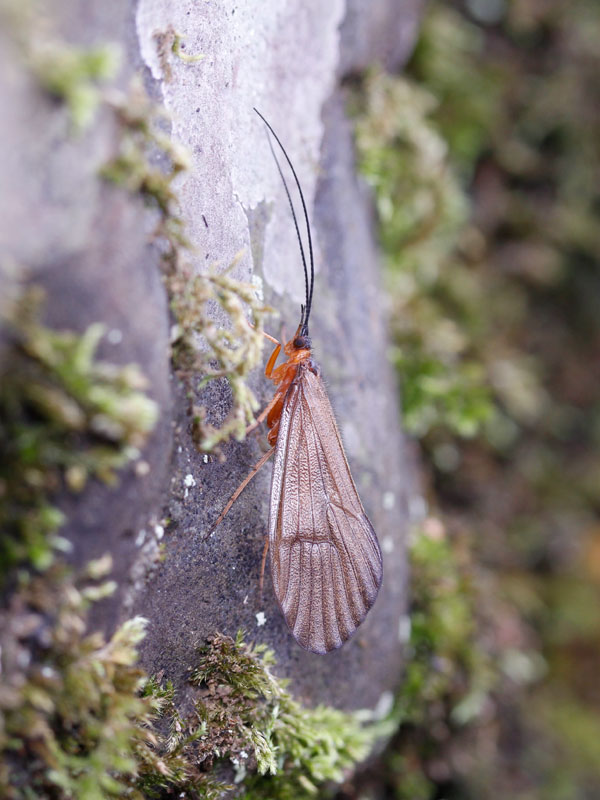
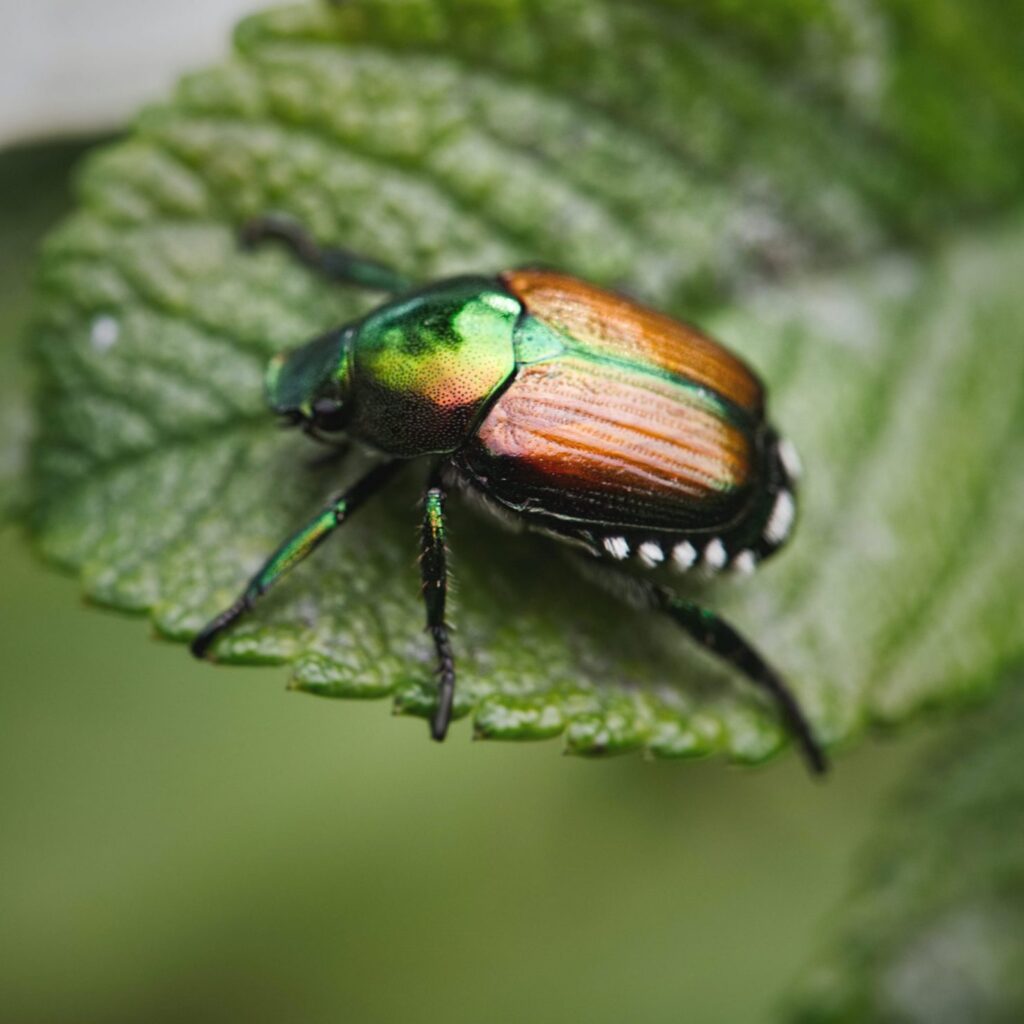
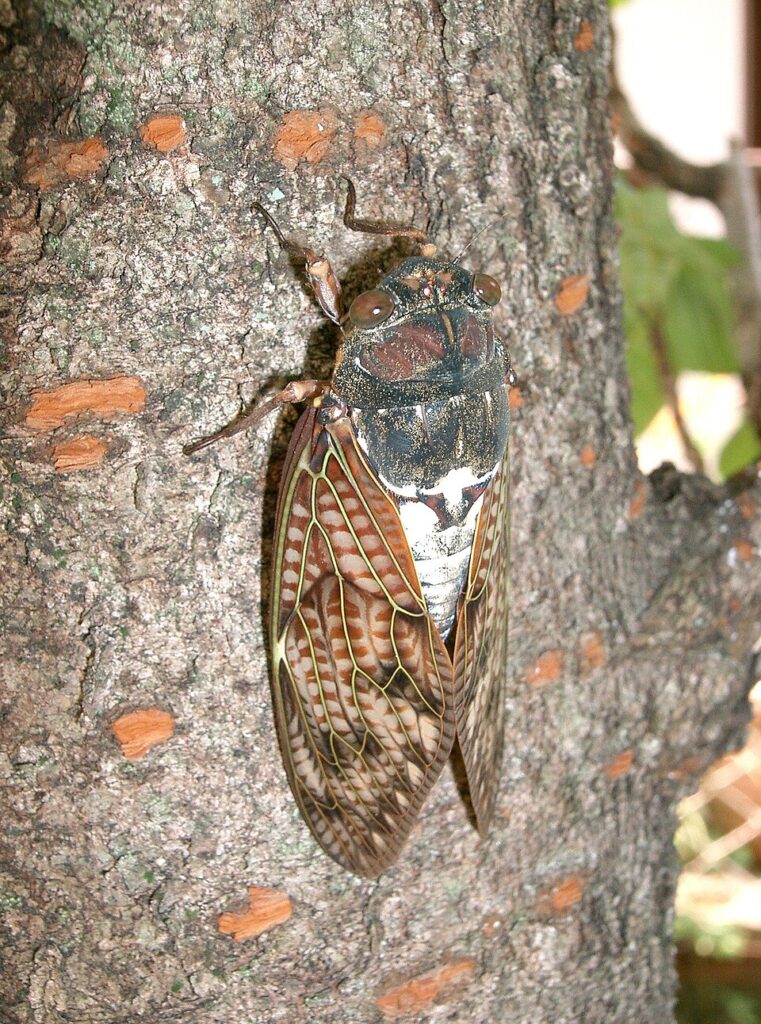
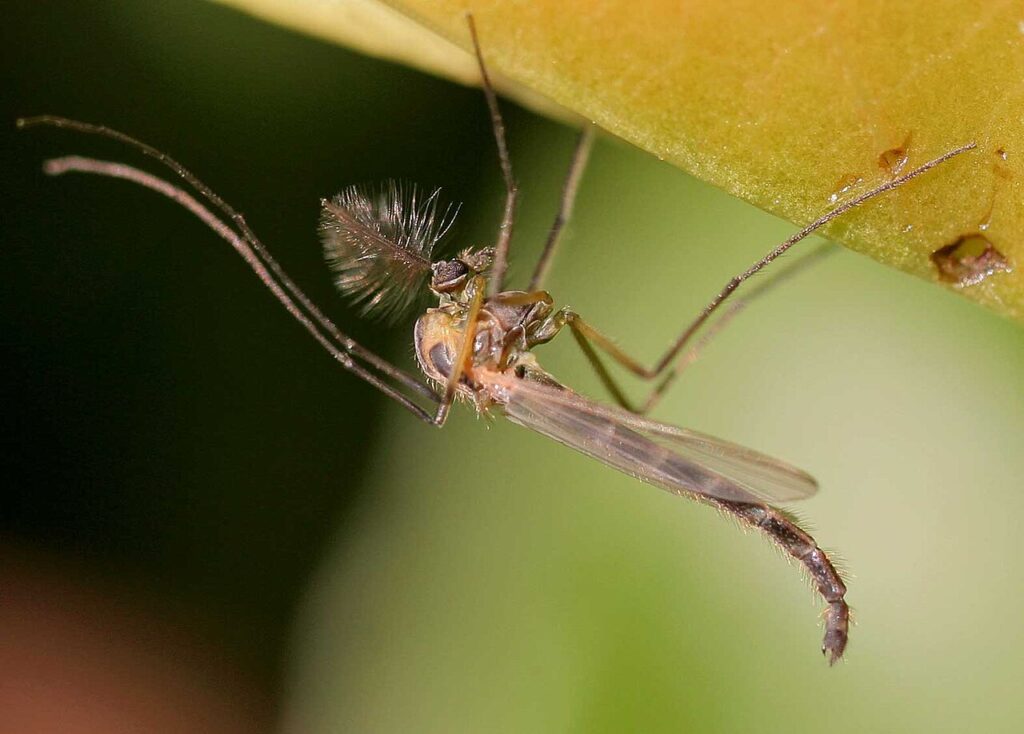
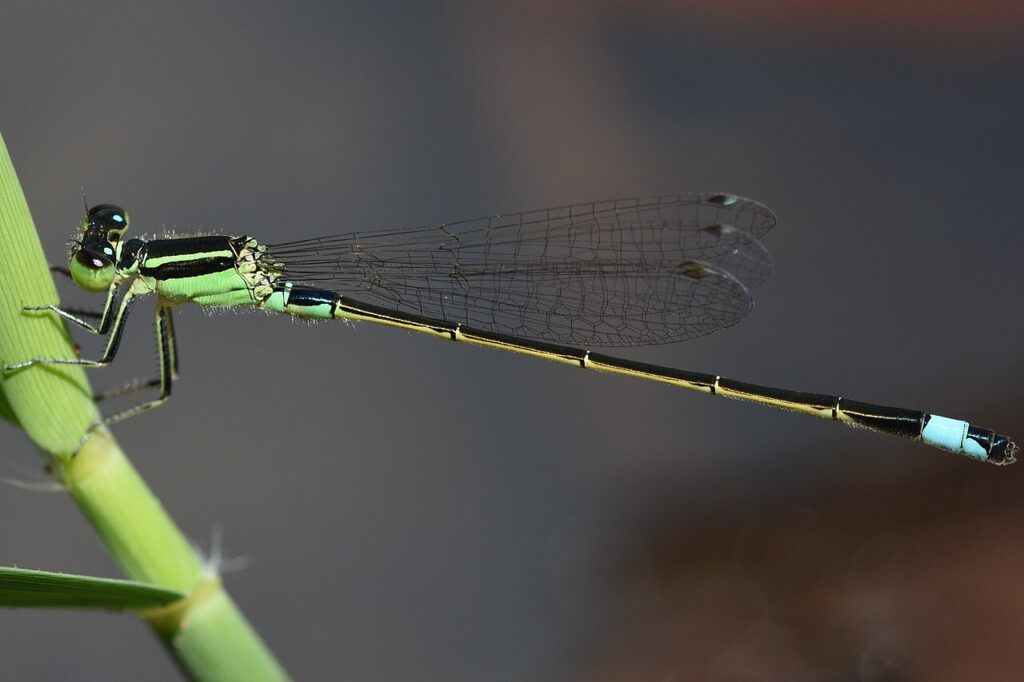
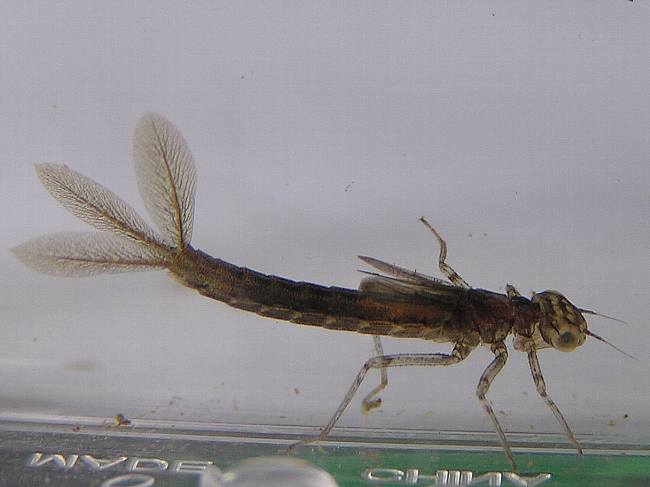
I do not dare to suggest you the specific flies to bring to Japan. Rather, I would like to show you the insects and prays of popular target fish.
Insects on the river
Mayfly (all the photos are from this page.)
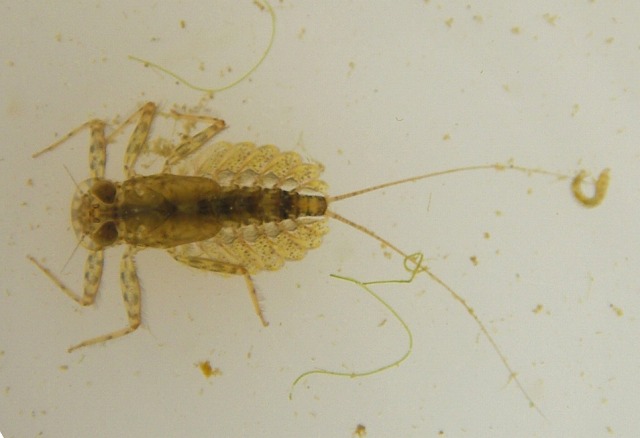
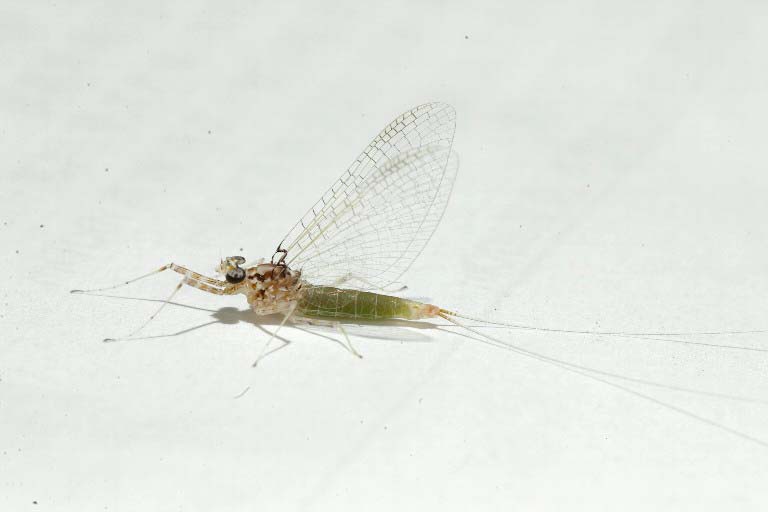
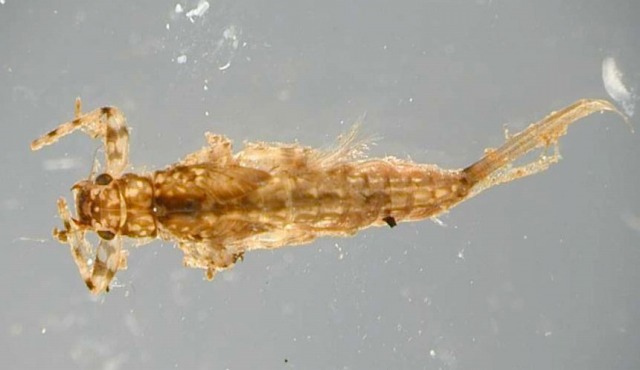
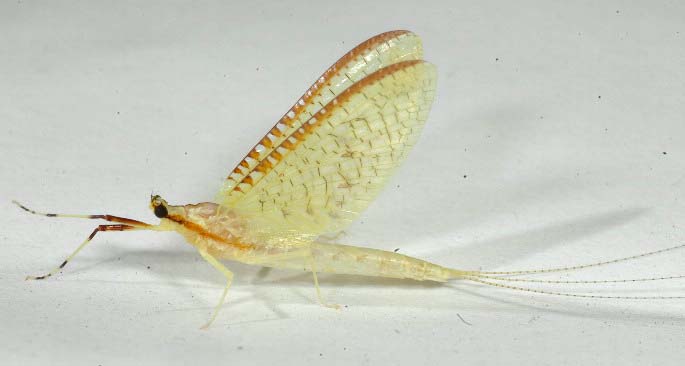
Caddis
Dry Flies:
Because many Japanese mountain streams are relatively small and clear, lighter and more delicate presentations frequently prove effective.
7. Equipment Expectations
Most of the Japanese trout rivers have the width less than 10 meters (11 yards). Therefore, #3 to #4 weight rods can do most of the situations.
When you go for chars and ascent up the stream, you find even #4 is too heavy. In the water at higher elevation, even the shorter and lighter rods are useful. It is the situation where you want to cast with bow casting style, amid the hanging over trees forming the green tunnels. You may find #5 to #6 are suitable for lakes and still water, but not often in Japanese rivers.
If you do not own gear, fishing guides often provide complete equipment.
Buying new outfit in Japan is one good idea. Then, you have to remember that fly shops in Japan are well stocked but less numerous than other western countries.
8. Cultural Etiquette on Japanese Rivers
The culture surrounding fishing in Japan is generally quiet and respectful. Key aspects of etiquette include:
- Avoid entering water adjacent to another angler
- Maintain a low noise profile
- Carry out all trash (including tippet clippings)
- Observe all posted regulations
Polite greetings or brief bows between anglers are customary and appreciated.
9. Seasonal Considerations
Spring (March–May)
Prime season for trout and scenic landscapes.
Summer (June–August)
Especially favorable in Hokkaido, to avoid the heat in Honshu. And another good idea is to go the places of mountain streams, in Nagano or middle of Honshu, where there are plenty of high elevation streams.
Autumn (September–November)
Beautiful foliage and active fish. It is another attraction to be fishing surrounded by the leaves of different colors. Japan has a lot of deciduous broad leaf trees.
Winter
Limited opportunities outside managed ponds and hatcheries.
Recommended First-Time Experience
For the most accessible introduction to fly fishing in Japan:
- Engage a professional guide in the Tokyo, Tochigi or Nagano region
- Fish a designated fly-only section or a managed water area
- Learn the permit process firsthand
- Enjoy local scenery and an onsen experience afterward
This combination embodies the distinctive aesthetics and culture of angling in Japan.