Fishing in Hokkaido: What Overseas Anglers Need to Know About Local Fishing Rules
 Ty Hasegawa
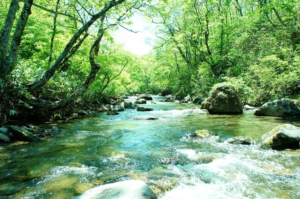
Hokkaido is one of the world’s great fishing destinations. From wild cherry salmon in mountain streams, taimen in the flatland to massive sea-run fish along dramatic coastlines, the island offers experiences that many anglers dream about for years.
But unlike many overseas destinations, fishing in Hokkaido comes with a very specific set of local regulations — and understanding them is essential if you want to fish responsibly and avoid serious trouble. It is notable that the regulation in Hokkaido island is different from other parts of Japan. Even a Japanese angler needs to pay attention to follow it.
The good news is that most of the rules are not difficult once you understand the philosophy behind them.
Why Hokkaido Has Strict Fishing Rules
Hokkaido’s waters are still remarkably rich compared to many heavily pressured fisheries around the world. Wild trout streams remain healthy. Coastal ecosystems still support commercial and recreational fishing together. Salmon runs continue to return every year.
This is not accidental.
The regulations exist to protect spawning fish, juvenile populations, and fragile ecosystems that are heavily affected by seasonal pressure and tourism.
Many of the restrictions are designed around one simple concept:
Fish should have the opportunity to reproduce before they are harvested.
For anglers visiting from overseas, this conservation-first approach may feel stricter than expected — especially regarding salmon and trout species.
Coastal Fishing: What Is Allowed?
For recreational anglers fishing from shore or small boats along the coast, ordinary rod-and-reel fishing and hand line fishing are generally acceptable. The handheld landing net is not considered as a fishing net, as long as the length of the net entrance is smaller than 40cm.
As a leisure activity, collecting or catching fish along the coast is allowed, but you have to know that certain seaweed species, shells and sea urchin are protected for harvesting by commercial fisherman.
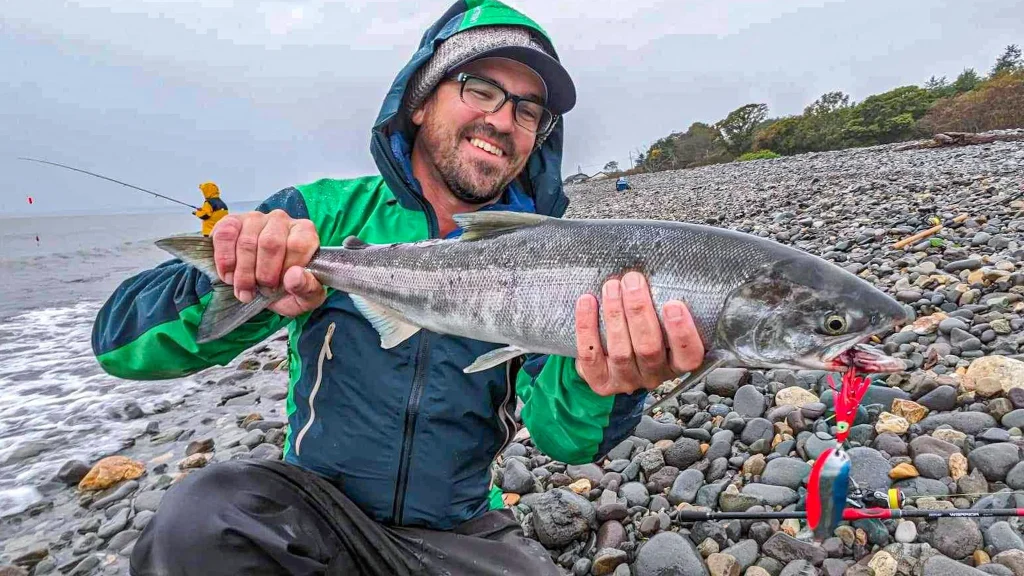
In the sea, trout or salmon related spieces smaller than 20 cm (7.9 inch) should be released. In the river moouth, catching of trout and salmon species are prohibited.
Also, several methods commonly seen in other countries are prohibited in Hokkaido waters.
Trolling Restrictions
One surprising rule for foreign anglers is that trolling can fall under prohibited commercial-style fishing activity depending on the location and target species.
This is particularly sensitive in salmon areas.
Snagging or Gang Fishing Is Strictly Prohibited
“Hikkake-zuri,” or intentional snagging, is banned.
This includes modified techniques intended to hook fish outside the mouth.
In regions where salmon migrate close to shore, enforcement can become quite serious because illegal snagging has historically caused resource damage.
River Fishing in Hokkaido
Freshwater fishing regulations are very important since there are many attractive fishing places inside of Hokkaido island.
Species such as yamame (Cherry Trout, Oncorhynchus masou), iwana (White Spotted Char, Salvelinus leucomaenis), and ayu (Ayu Sweetfish, Plecoglossus altivelis) often have:
- closed seasons,
- protected spawning periods,
- or restricted harvest areas.
General ideas about prohibition periods are like these.
For salmon and trout: as a default, it is not allowed to fish except the designated areas. These designated areas are famous for anglers and you take them as a special areas, while all the areas are not permitting to catch salmon and trout.
For cherry trout (landlocked): from late spring until beginning of summer is the timing for prohibition. For ayu, allowed periods are from July until middle of September.
In some rivers, even carrying certain types of nets or traps can create legal issues if interpreted as commercial fishing equipment. A few equipment which are prohibited (while commonly accepted in other parts of the world) are; spears and gaff.
For visiting anglers, the safest approach is simple:
- Fish with standard rod-and-reel tackle
- Use legal hooks and lures
- Follow local river association rules
- Buy any required day permits
The Difference Between “Legal” and “Accepted”
One interesting aspect of Japanese fishing culture is that local etiquette matters almost as much as written law.
An action that may technically fall into a gray area could still be viewed negatively by local anglers or fisheries cooperatives.
For example:
- standing too close to others,
- targeting spawning fish aggressively,
- keeping excessive numbers of fish,
- disturbing riverbeds unnecessarily
- illigal parking
- littering
may attract criticism even if not directly illegal.
In Hokkaido, fishing manners are taken seriously.
Why This Matters for Overseas Visitors
Japan is opening more to international anglers every year. Social media and YouTube have made Hokkaido’s fisheries globally famous.
But this popularity also creates pressure.
Foreign visitors who understand and respect local rules help ensure that access remains open in the future.
The best anglers are not simply the people who catch the most fish.
They are the anglers who leave the river exactly as they found it.
And in Hokkaido, that philosophy matters deeply.
Practical Tip
For the useful and easy takeaway to go fishing in Hokkaido, the best way is to visit or call the fishing shop and fishing guides in Hokkaido.
References
Split Milt Productions; A Self Guided Fishing & Birding trip to Hokkaido, Japan
Kita-tenkara.com blog about Hokkaido regulation, written in 2023
Regulation in detail, from Hokkaido local govenment (Japanese only, use online translation)
To look for the fishing tackle, for fishing in Japan
Please visit below for JDM (Japanese domestic model) Lures
Discovery Japan Mall - OfficialSMITH brand lures including many spoons good for salmon/trout species